
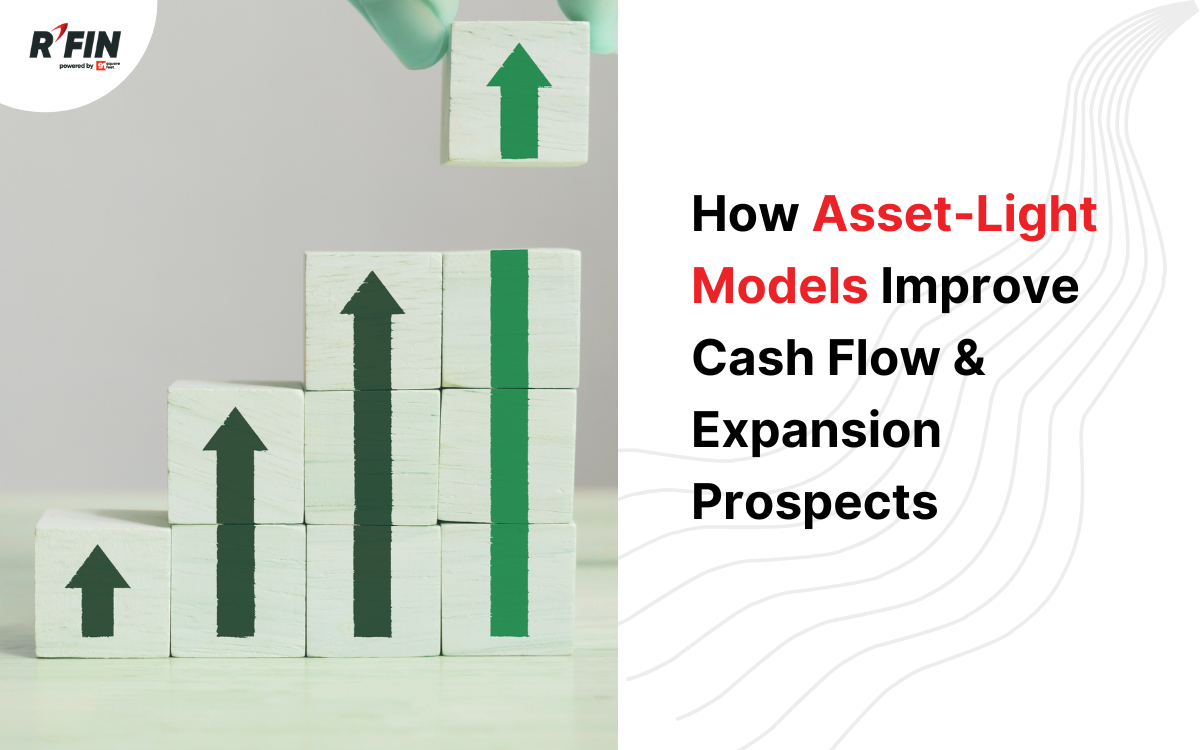
In today’s high-velocity, sustainability-driven business environment, companies aiming for rapid expansion face a critical choice: Where should their capital work hardest?
Locking valuable funds into physical assets like machinery, infrastructure, or energy installations can restrict flexibility and slow down growth. Leading businesses across industries—manufacturing, retail, logistics, healthcare, hospitality, coworking, green energy, and more—are now adopting asset-light models to maximize capital efficiency, optimize balance sheets, and accelerate expansion.
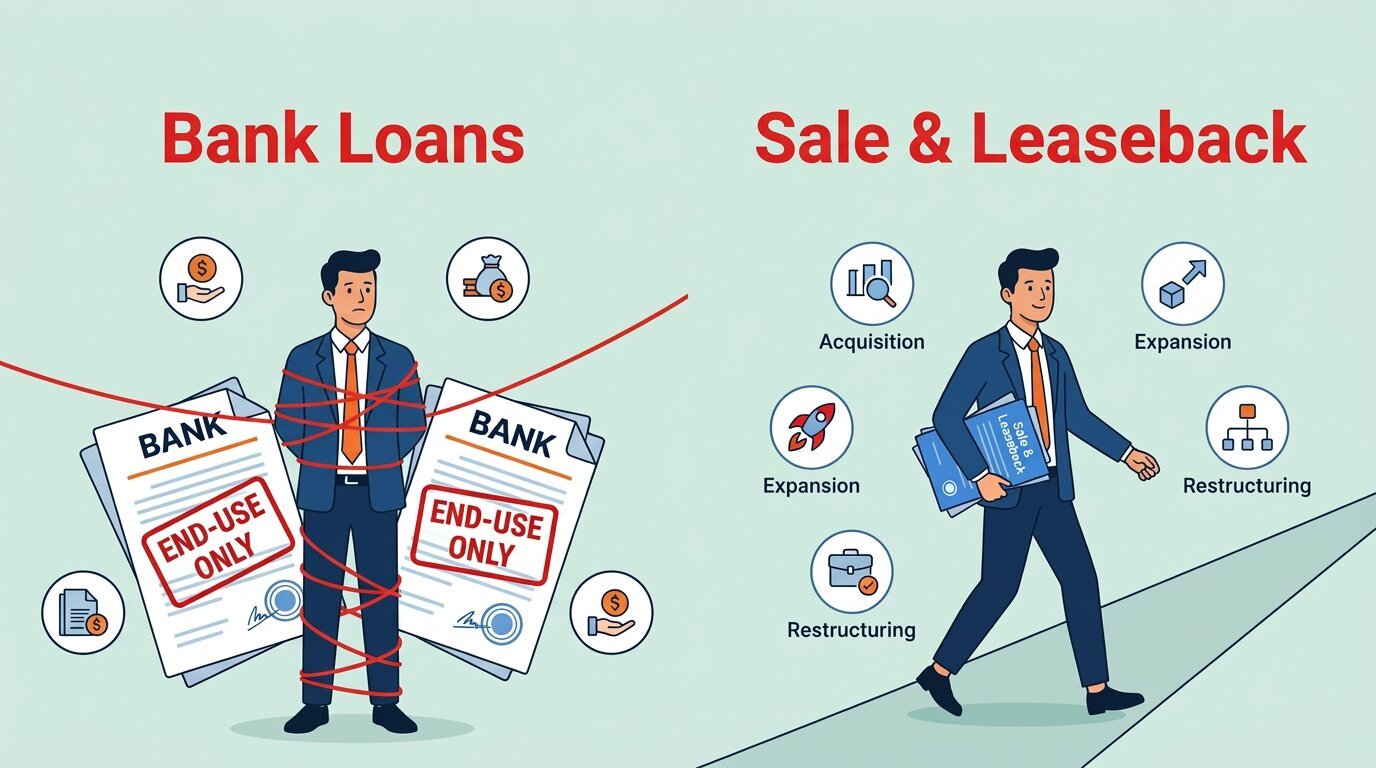
Operating leases, sale-and-leaseback structures, and structured outsourcing are transforming how businesses scale without the burden of heavy asset ownership.
Why Asset-Light Strategies are Essential for High-Growth Enterprises
1. Preservation of Capital for Core Expansion Initiatives
Whether it’s a manufacturing company setting up new plants, a retailer expanding store footprints, a solar energy developer building new projects, or a healthcare group launching new centers—capital is finite.
Tying it up in depreciating or slow-moving assets limits strategic opportunities. Asset-light models allow enterprises to redeploy capital toward:
– Market expansion and customer acquisition
– Product and technology innovation
– Geographic diversification
– Talent acquisition and leadership building
 Capital should fuel growth, not sit idle in fixed assets.
2. Agility to Scale Infrastructure Up (or Down) as Needed
Business environments today are highly dynamic. Demand surges, market entries, regulatory changes, or technology shifts require companies to expand or contract operations quickly.
By leasing or outsourcing:
– Plant and machinery
– Renewable energy equipment (solar panels, wind turbines)
– IT infrastructure
– Warehousing and logistics support
– Office and retail setups
Enterprises can stay flexible, nimble, and responsive to evolving needs—without the burden of long-term asset lock-ins.
3 .Improved Financial Metrics and Higher Valuations
Investors and lenders closely monitor key financial health indicators like:
– Return on Assets (ROA)
– Asset Turnover Ratio
– Debt-to-Equity (D/E) Ratio
– Cash Flow to Total Assets
Heavy asset bases weaken these ratios. Asset-light models, by contrast, lead to:
– Stronger financial optics
– Higher internal rate of return (IRR)
– Lower debt burden
– Better access to both equity and debt capital at favorable terms
This translates into higher company valuations and better access to capital markets.
4. Superior Tax Optimization and Predictable Cost Structures
Leasing offers powerful financial advantages:
– 100% tax deductibility of lease rentals as operational expenses
– No exposure to delayed depreciation schedules
– Service and maintenance often included, reducing surprise Capex shocks
For rapidly growing enterprises, particularly those investing in green energy projects like solar farms, wind energy plants, and EV infrastructure, leasing critical assets allows them to optimize project IRRs, achieve better tax shields, and manage cash flows effectively.
5. Focus on Core Business without Operational Overhead
Managing physical assets distracts management teams from focusing on strategic growth. By leasing non-core assets such as:
– Machinery
– IT infrastructure
– Employee mobility solutions
– Renewable energy installations
– Furniture, interiors, and fittings
Companies can free internal bandwidth to focus on operations, innovation, customer acquisition, and strategic scaling.
Industries Where Asset-Light Models Are Driving Scalable Growth
- Manufacturing Enterprises: Lease machinery, automation lines, and assembly units.
- Retail Chains: Sale-and-leaseback for store interiors, furniture, POS systems.
- Logistics and Warehousing: Leasing trucks, warehousing units, cold-chain setups.
- Healthcare Operators: Lease diagnostic equipment, hospital infra, and IT setups.
- Hospitality and Co-Living Brands: Furnish properties, kitchens, guest areas via leasing.
- Coworking Spaces: Leasing workstations, tech infra, meeting room setups.
- Green Energy Companies (Solar, Wind, EV Infrastructure): Leasing of solar panels, wind turbines, storage units, and EV charging stations.
How Capexo Helps High-Growth Businesses Adopt Asset-Light Models
Capexo offers tailored solutions including:
– Operating Lease Programs: Finance new assets without ownership risks.
– Sale & Leaseback Models: Monetize existing assets to generate immediate liquidity.
– Cashflow Optimizer Structures: Shift Capex into fully tax-deductible operating expenses.
– Employee Leasing Programs: Manage employee assets efficiently without Capex lock-in.
Conclusion: In a Capital-Conscious World, Asset Ownership is Optional, Growth is Essential
High-growth businesses need capital to move fast, not sit idle. Asset-light strategies offer a powerful framework for companies to scale efficiently, maximize financial returns, and preserve operational flexibility—whether you are scaling manufacturing capacity, expanding renewable energy projects, growing a retail network, or building logistics infrastructure.
Capital efficiency fuels sustainable, accelerated growth. At Capexo, we help you design smarter, lighter, faster capital structures.
 Interested in making your expansion capital-efficient?
Connect with Capexo today and explore customized asset-light financing models tailored to your industry and growth stage.